


From threats of major strikes to sudden talk of diplomacy, Day 24 highlights both a possible turning point and the deepening human cost of the war.
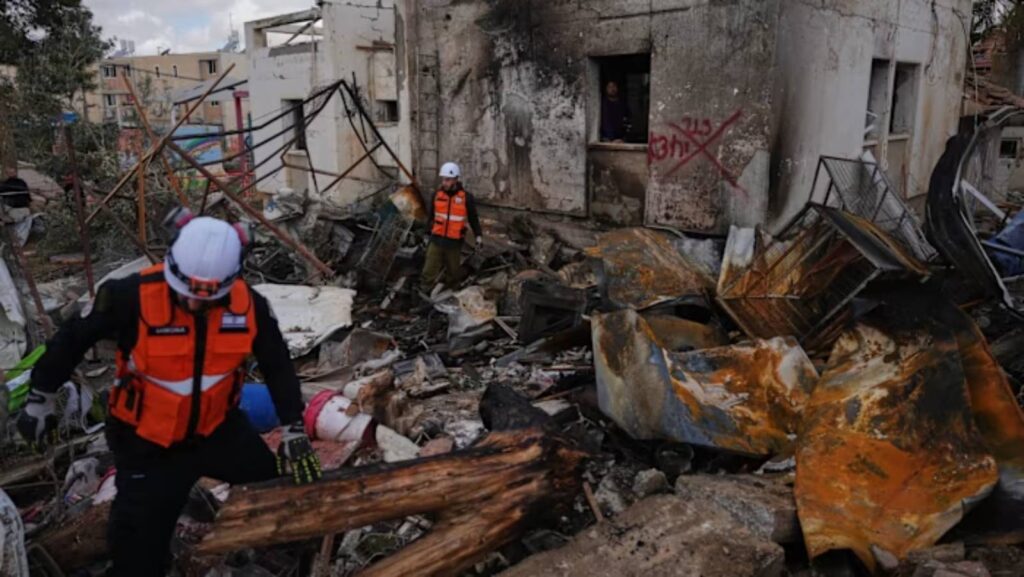
TRUMP PAUSES STRIKES, FLOATS TALK WITH IRAN
U.S. President Donald Trump made a surprise early morning announcement that the United States and Iran are now discussing a possible end to the war, signaling a potential shift toward de-escalation after weeks of intensifying conflict.
Trump also said Washington would hold off on planned military strikes targeting Iran’s power and energy infrastructure for five days.
The move followed a stark warning issued just hours earlier, in which Trump threatened to heavily bombard Iranian power facilities if Tehran failed to reopen the Strait of Hormuz, a critical global shipping route that has been severely disrupted, putting pressure on international oil supply and the broader global economy.
A WAR FELT BY MOST CIVILIANS
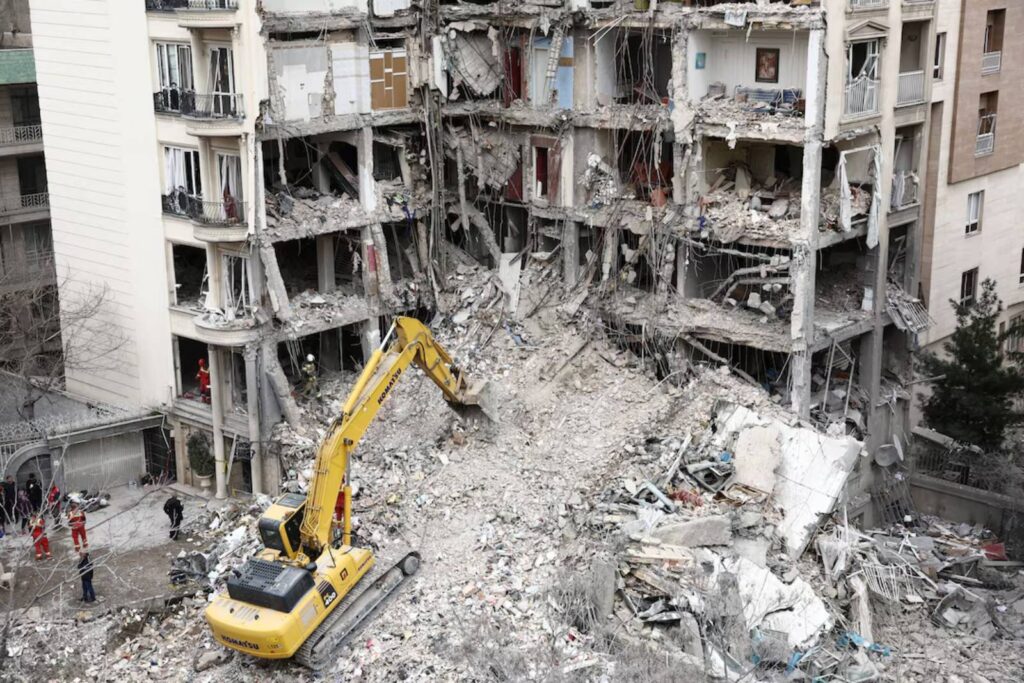
While leaders exchange threats and diplomatic signals, civilians across the region continue to suffer the consequences.
Communities in multiple countries remain caught in the crossfire. According to health authorities and human rights groups, the combined effects of U.S.-Israeli strikes on Iran, retaliatory Iranian attacks, and Israel’s expanding offensive in Lebanon have killed thousands of people.
Among the casualties are hundreds of children, underscoring the growing humanitarian crisis unfolding alongside the geopolitical confrontation.
WEST BANK UNREST INTENSIFIES AMID WIDER WAR
Violence far from the main battlefield is also escalating.
In the occupied West Bank, Israeli authorities arrested five settlers on Sunday evening following a second consecutive night of widespread attacks on Palestinian communities.
Videos circulating online showed cars and buildings set on fire.
The Palestine Red Crescent Society reported that at least 10 Palestinians were injured.
Observers note that violence in the West Bank has surged significantly since the war with Iran began, raising fears of a broader regional destabilization.
MISSILES RAIN ON ISRAEL DESPITE DEFENSES
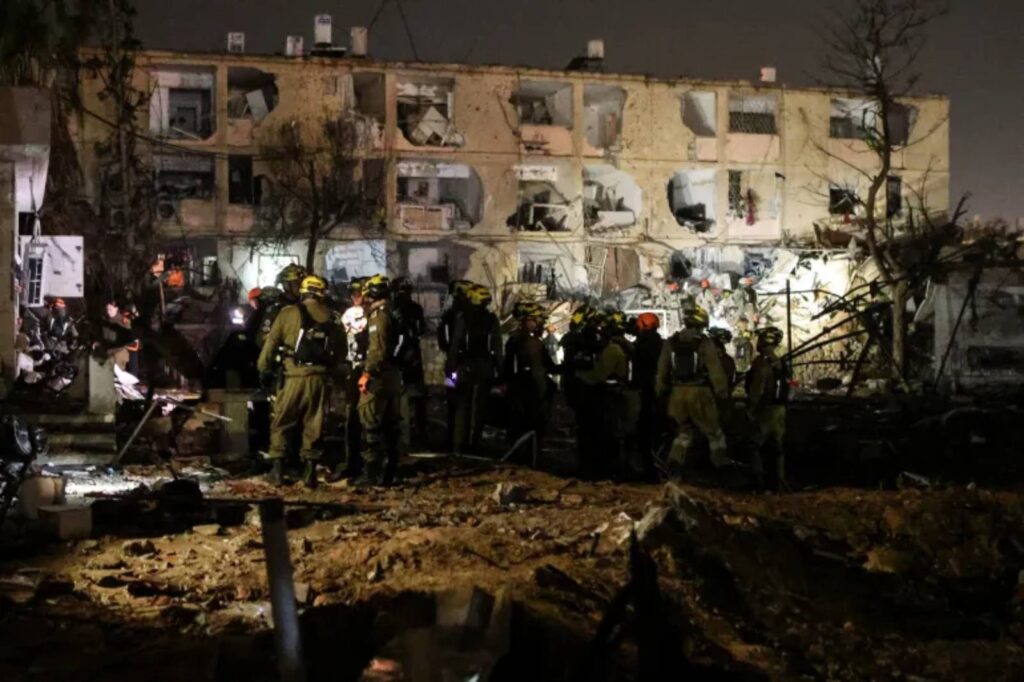
Even with strong air defenses, the threat from Iran remains persistent.
Over the weekend, Iran launched multiple missile strikes targeting southern Israel and Tel Aviv, leaving dozens of people injured.
One of the most serious incidents occurred in the city of Arad, where at least 84 individuals were wounded in a single attack.
The Israeli military said it intercepted approximately 92 percent of incoming ballistic missiles, but acknowledged that some still penetrated its defenses.
FUEL LINES GROW IN TEHRAN AS DEADLINE LOOMS
Ordinary Iranians face uncertainty as economic pressure builds.
In Tehran, residents have been rushing to gas stations amid fears of worsening fuel shortages. Long lines have formed as anxiety spreads over what could happen if the Strait of Hormuz remains closed.
A resident said the situation has become increasingly tense, with people trying to secure fuel supplies before the deadline set by Trump expires.
QUESTIONS OVER CIVILIAN DEATH RAISE CONCERNS
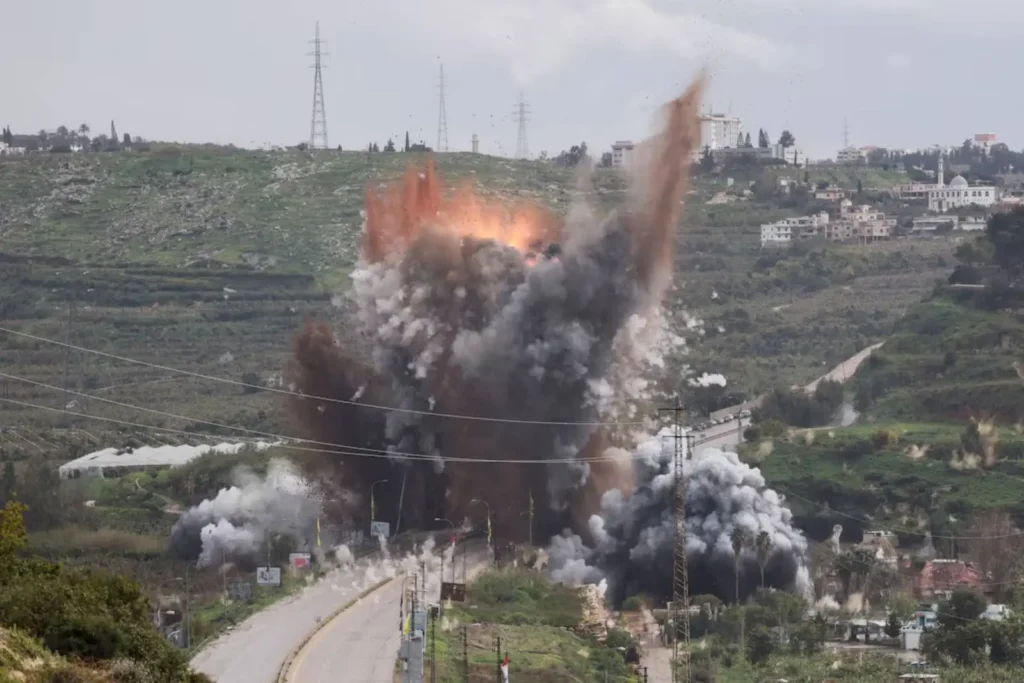
An incident in northern Israel highlights the confusion and risks of modern warfare.
The Israeli military is now investigating whether a civilian death in the community of Misgav Am was caused by friendly fire. The incident had initially been blamed on Hezbollah, an Iran-backed armed group based in Lebanon.
The development has raised fresh concerns about accountability and the fog of war, especially in areas close to active ռազմական zones.
GULF STATES REMAIN ON EDGE
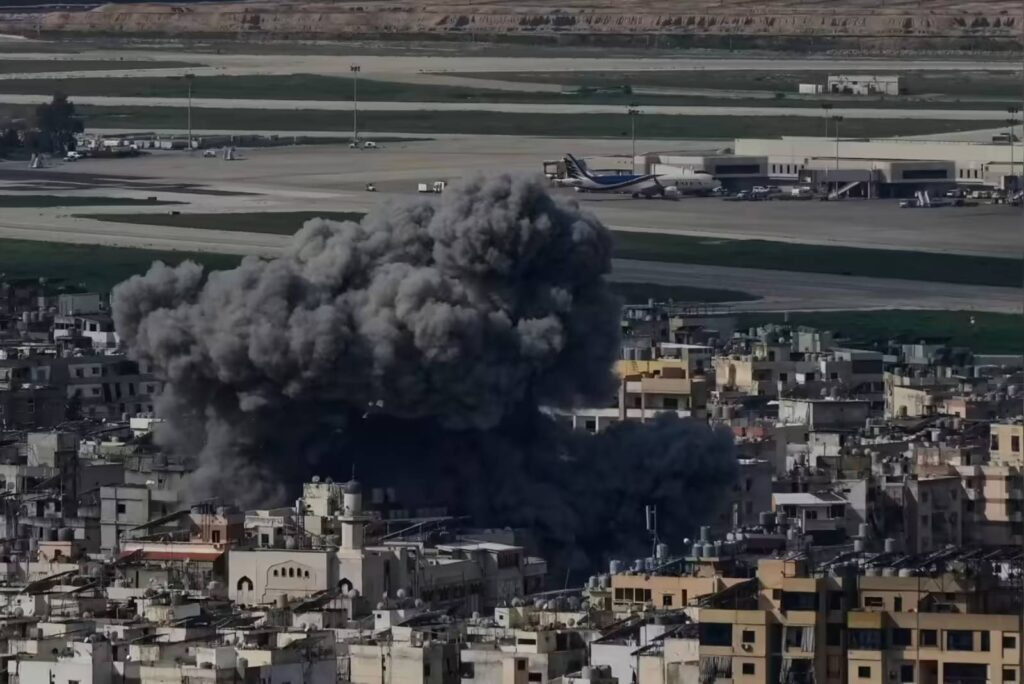
The wider region continues to feel the ripple effects of the conflict.
Countries in the Persian Gulf reported intercepting drones and missiles early Monday after enduring more than three weeks of Iranian attacks.
In Abu Dhabi, authorities confirmed that one person was injured due to falling debris from an intercepted aerial threat, highlighting the ongoing risks even in areas not directly targeted.
A FRAGILE MOMENT BETWEEN WAR AND DIPLOMACY
With talks hinted at but tensions still high, the coming days could prove.
Trump’s announcement of possible negotiations introduces a note of uncertainty into an already volatile situation.
While the temporary pause in strikes may open a window for diplomacy, ongoing attacks and retaliations across the region suggest that the conflict remains far from over.
For now, both the battlefield and diplomatic channels remain active, leaving millions watching closely for what comes next.