


THE HAGUE, Netherlands — A panel of senior international jurists is currently evaluating the jurisdictional challenge filed by former Philippine President Rodrigo Duterte before the International Criminal Court (ICC), in what could become a landmark ruling on the court’s authority over cases involving countries that have withdrawn from the tribunal.
The decision will come from the ICC’s Appeals Chamber, which is tasked with determining whether the court retains jurisdiction over alleged crimes against humanity linked to Duterte’s controversial anti-drug campaign.
The case is being closely watched globally, as it may set a precedent on how international law applies to former heads of state and the limits of the ICC’s reach.
WHO ARE THE JUDGES DECIDING THE CASE?
The Appeals Chamber is composed of five judges with extensive experience in international law, human rights, and criminal justice systems across multiple jurisdictions.
Luz del Carmen Ibáñez Carranza (Presiding Judge)
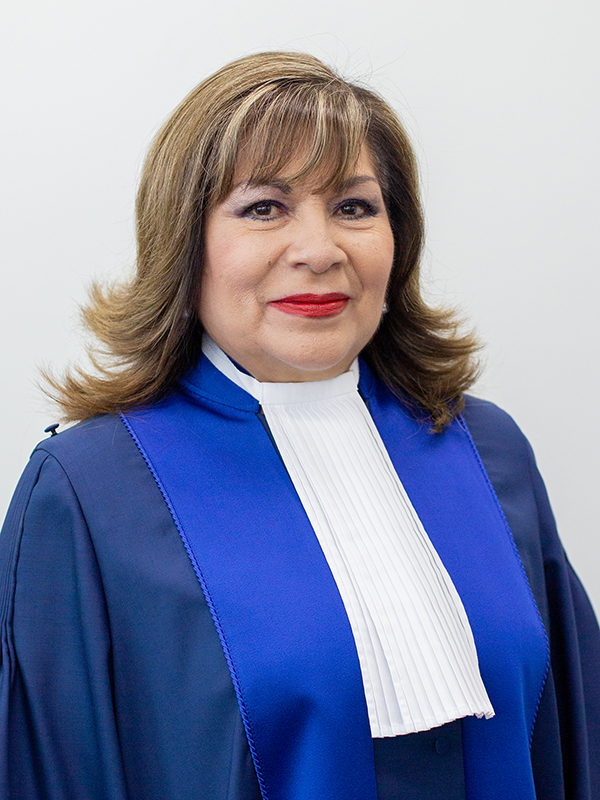
A former senior prosecutor in Peru, Ibáñez Carranza, has handled cases involving terrorism, human rights violations, and crimes against humanity.
Her work has included victim reparations, mass grave investigations, and international human rights advocacy through bodies such as the Inter-American system.
Tomoko Akane
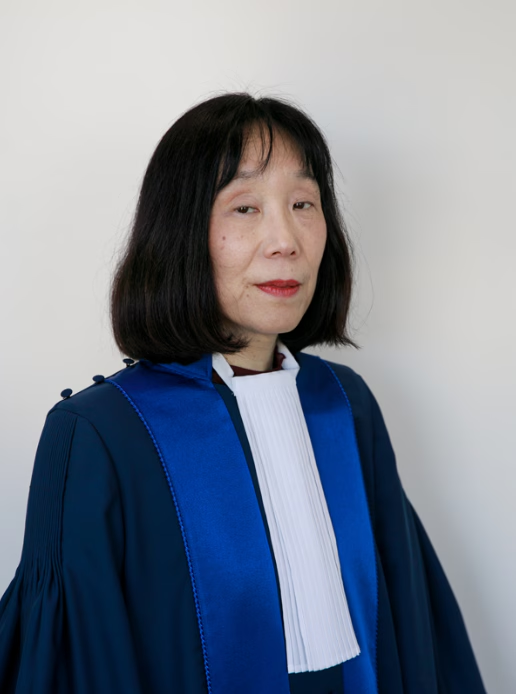
Akane began her career as a public prosecutor in Japan and rose to the country’s Supreme Public Prosecutors’ Office.
She has extensive experience in criminal litigation and legal reform, and has contributed to international justice initiatives through United Nations-affiliated institutions.
Solomy Balungi Bossa
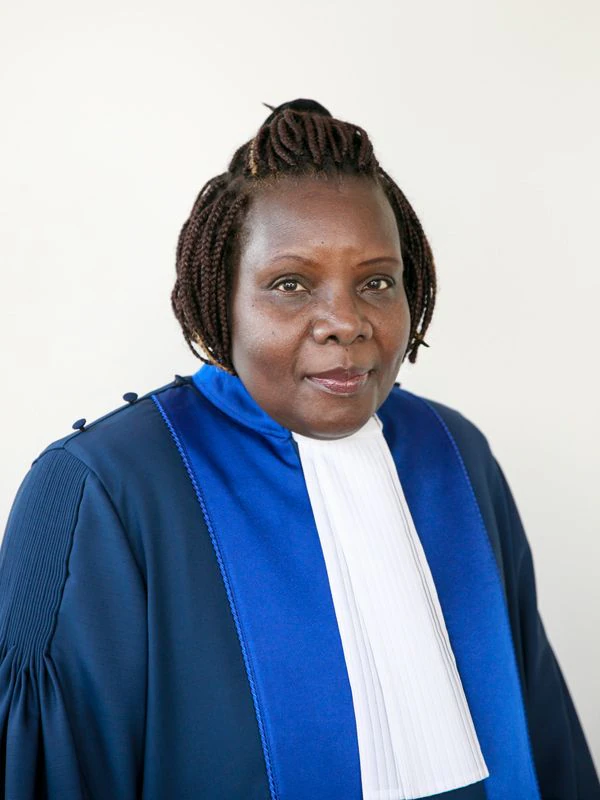
Bossa has served in multiple international courts, including the International Criminal Tribunal for Rwanda and the African Court on Human and Peoples’ Rights. A longtime human rights advocate, she has also held leadership roles in legal organizations across Africa.
Erdenebalsuren Damdin
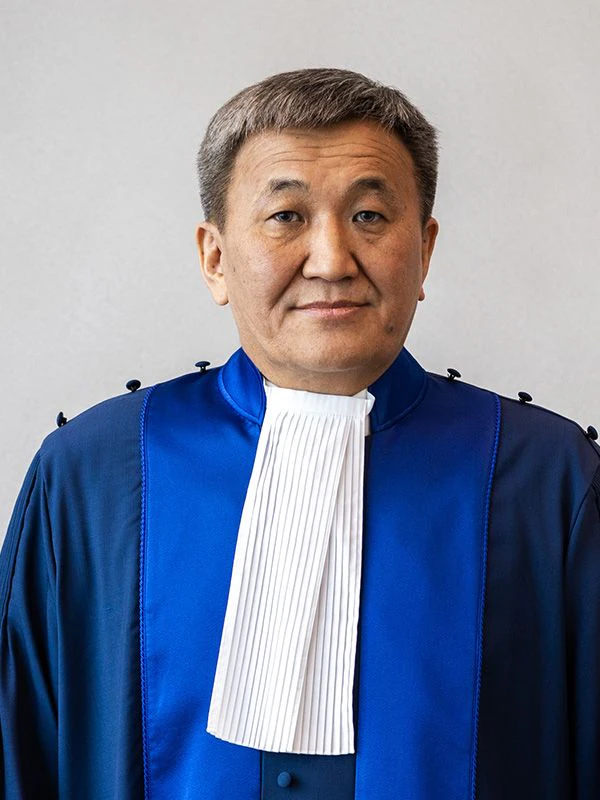
With over three decades in the legal field, Damdin has worked as a judge, prosecutor, and defense counsel in Mongolia. He is recognized for his role in advancing judicial reforms and strengthening the country’s criminal justice system.
Gocha Lordkipanidze
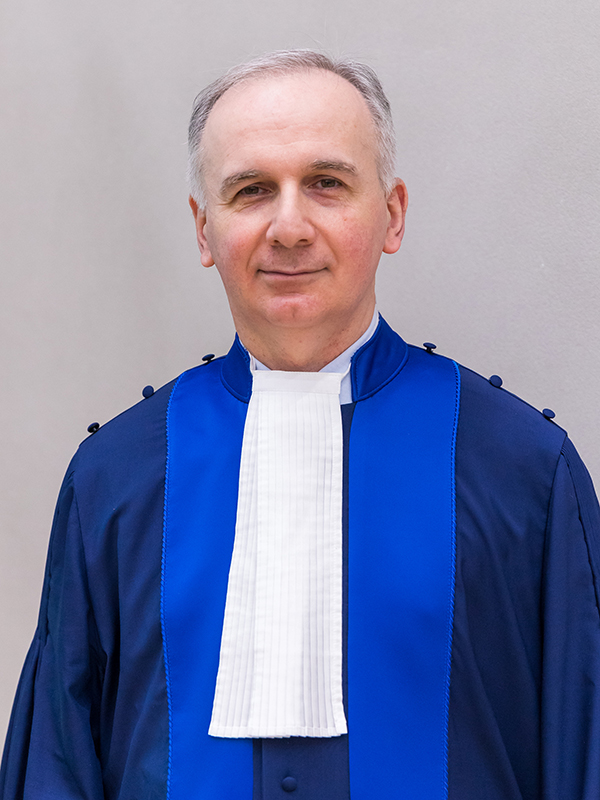
A former justice minister of Georgia, Lordkipanidze, is an expert in international law and played a role in negotiations leading to the adoption of the Rome Statute, the treaty that established the ICC.
HIGH-STAKES LEGAL QUESTION
At the core of Duterte’s appeal is whether the ICC still has jurisdiction over alleged crimes committed while the Philippines was still a member of the court, despite its withdrawal in 2019.
Legal experts say the Appeals Chamber’s ruling could clarify how international accountability mechanisms apply when a state exits the ICC, particularly in cases involving alleged crimes committed prior to withdrawal.
BACKGROUND: DUTERTE AND THE ICC CASE
Duterte’s presidency (2016–2022) was marked by an aggressive anti-drug campaign that drew widespread criticism from human rights groups and international observers.
Thousands of deaths linked to anti-drug operations prompted the ICC to open a formal investigation into possible crimes against humanity.
The Philippine government formally withdrew from the ICC in 2019, a move widely seen as an attempt to avoid international scrutiny.
However, ICC prosecutors have maintained that the court retains jurisdiction over alleged crimes committed while the country was still a member.
AWAITING A LANDMARK RULING
The Appeals Chamber’s decision is expected to have far-reaching implications, not only for Duterte’s case but also for the broader enforcement of international criminal law.
A ruling affirming jurisdiction could pave the way for full proceedings at The Hague, while a decision in Duterte’s favor may limit the ICC’s authority in similar cases moving forward.